

Instead of focusing only on statistical discrepancies in government records of malnutrition, Premankur adopted a community-centric, action-oriented approach:
Through these steps, Premankur strengthened the community’s ability to recognize malnutrition early and access timely support.
A woman’s health foundation is built during adolescence. Many girls in tribal communities do not receive guidance during the critical phase of puberty due to cultural silence, stigma, and lack of information.
Premankur introduced a pilot programme to:
What began as a shy and hesitant conversation has now become a platform where older girls confidently guide younger adolescents. The organisation is building village-level young women’s groups to sustain these awareness activities and expand them across the region.
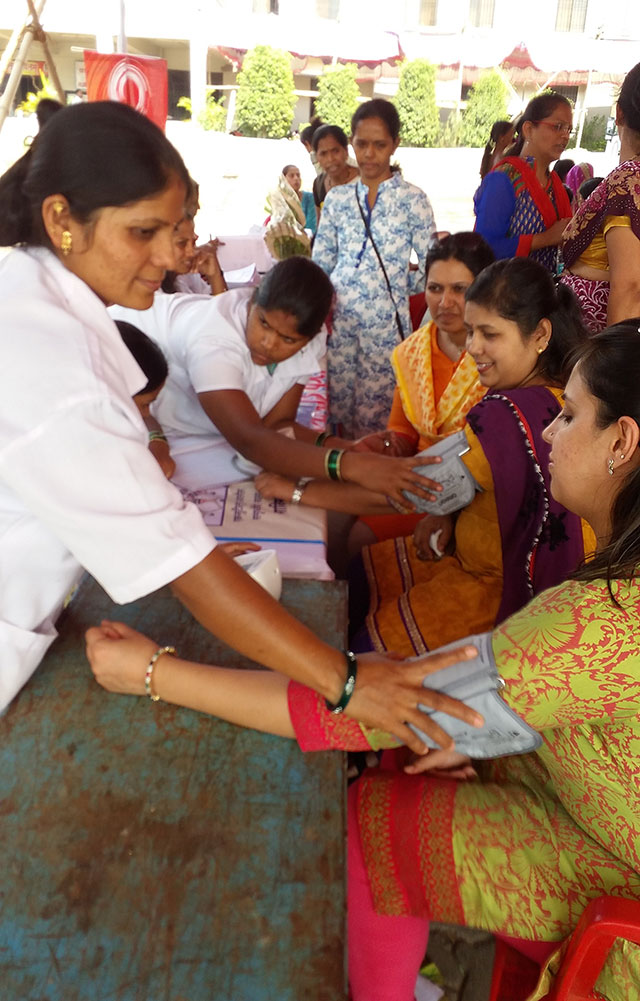
Self-Help Groups serve as a powerful platform for continuous health education. During monthly SHG meetings, Premankur integrates discussions on:
These discussions empower women with knowledge, remove stigma, and promote healthy practices at the household level.
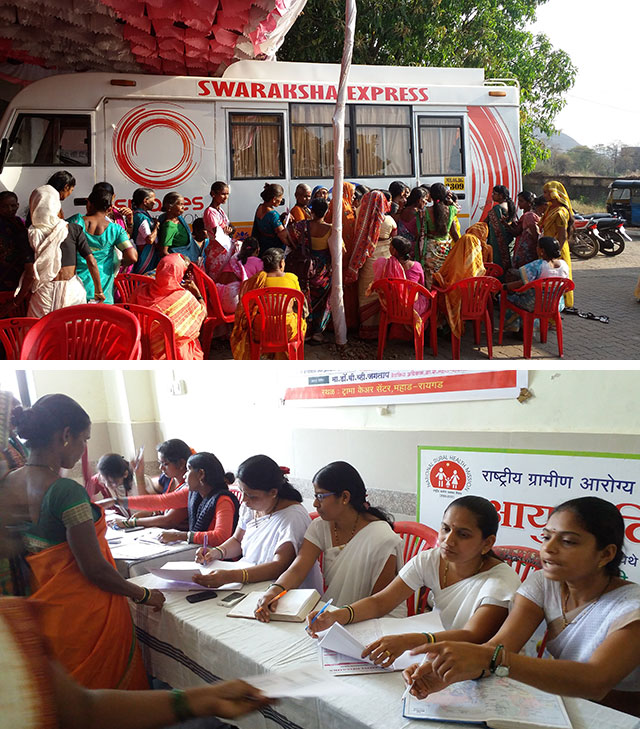
In collaboration with Tulsi Eye Hospital, Nashik, Premankur organized a large-scale eye check-up camp during the weekly market at Gram Panchayat Barhe.
The initiative strengthened community trust and reinforced the importance of preventive healthcare.